- PR
Women’s health marketing: How brands can build trust
Women’s health marketing is booming. Conversations around periods, pregnancy and menopause are gaining ground, while a host of food and drink brands are emerging to support women through different life stages. But as the commercial opportunity grows, so does the scrutiny – making credibility more important than ever.
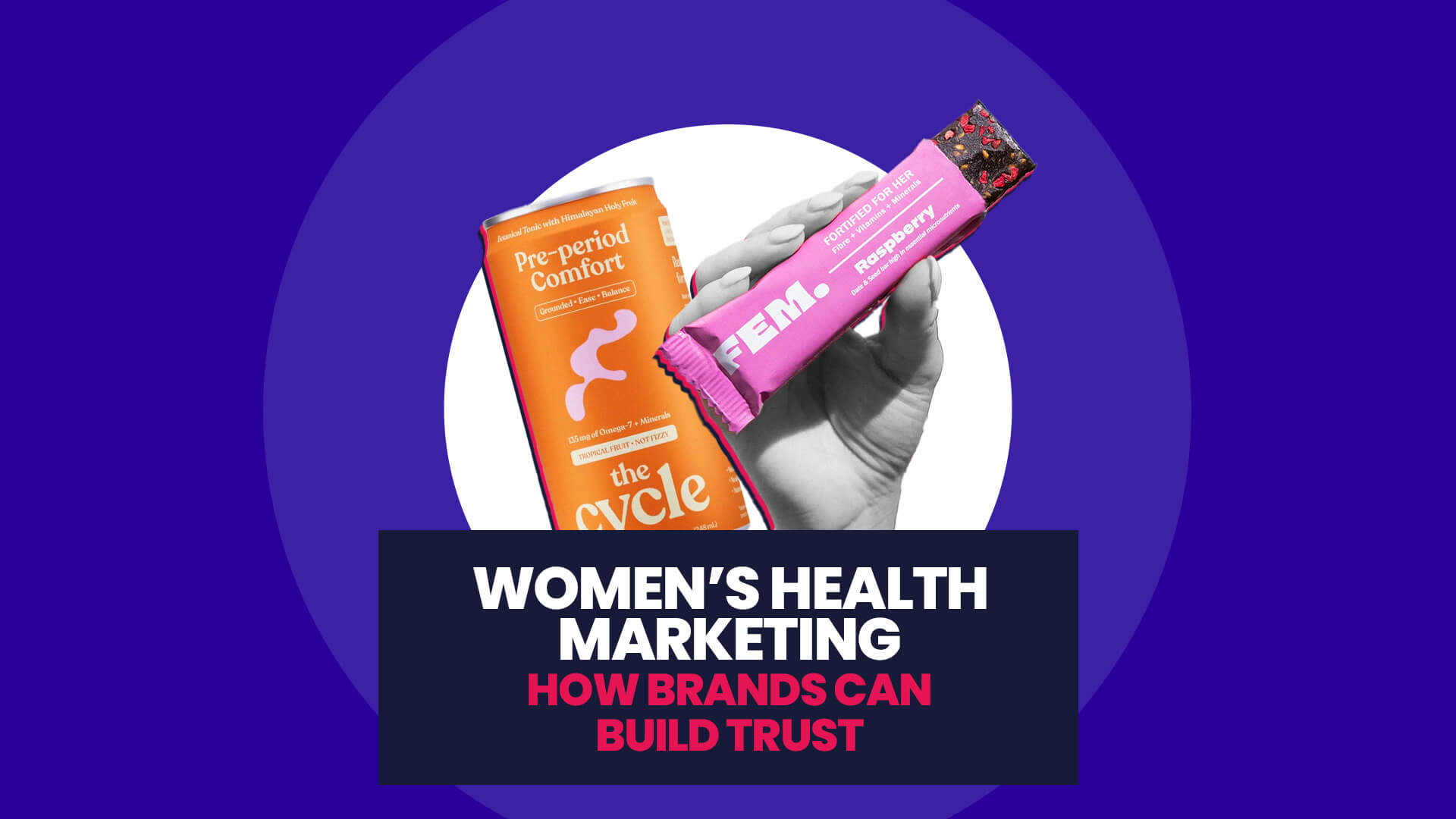
Take Fem, a new snack bar designed to support menstrual health. Packing ingredients such as magnesium, zinc, iron, calcium, folate and vitamins B6, B12 and D, it is designed to ease cycle-related symptoms such as fatigue, bloating and cramping, The Grocer reported this week.
Fem joins brands such as Yogi Tea, which sells a dedicated Women’s Energy line, and The Cycle, a US drinks company with four lines that offer support from pre-periods to menopause. Or Evelyn the PMS bar, launched last October as a “delicious” snack that supports women through the second half of their cycle.
These products aren’t only tapping into growing interest in women’s health. They also reflect a wider evolution in how consumers want to access nutrition and supplementation. In an ever faster-paced world, shoppers are looking for convenient formats that don’t involve swallowing multiple tablets. If they can access key vitamins and minerals through a great-tasting drink or snack bar, all the better.
So on paper, these brands have a powerful recipe for success. But there’s a strong word of caution. It’s notable that Fem co-founder Jade Scott was not only a finalist on the latest series of The Traitors, but is also a women’s health researcher at the University of Warwick. She wanted to develop a product that could truly support menstrual health, based on her own experiences. That gives her two vital attributes in this market: expertise and authenticity. And for brands operating in sensitive areas of health and wellbeing, those qualities aren’t a nice-to-have. They’re fundamental to earning trust.
Without those credentials, brands could face a backlash. Greater awareness of women’s health has brought about greater scrutiny. Consumers are increasingly exposed to claims around wellbeing, hormones and nutrition – and are understandably wary of anything that feels opportunistic or overpromises what a product can deliver.
Just look at Holland & Barrett, which faced ridicule for its Menopause chocolate bar in 2024. The retailer claimed the mix of dark chocolate and almonds would “satisfy your tastebuds and support your mood”. Those claims didn’t wash with menopause campaigner Kate Muir, who branded the line a “ridiculous money-making product” – and the headlines followed.
The key to a successful women’s health line comes down to solid science and responsible communication. On the science side, products should be backed by rigorous research that can stand up to scrutiny. On the comms side, the message should be both science-based and relatable. Brands should be able to talk knowledgeably about active ingredients, while avoiding exaggerated promises and offering wider support and knowledge.
It’s an approach we see the value of in our own work with British Lion eggs, where credible experts are paired with robust science to communicate nutrition in a way that is both authoritative and accessible. In health communications, who delivers the message can be just as important as the message itself.
For brands, the opportunity in women’s health is significant – but trust has to be earned. Those that combine credible science, genuine expertise and responsible communications can build a supportive, rather than transactional, relationship with consumers.
Because in a category this personal, being part of the conversation isn’t enough. Brands need to earn the right to be trusted within it.
Want to turn health credentials into credible communications that earn consumer trust? Get in touch.
« AI Search Is Changing: Why Earned Media Matters More Than Ever Brand Storytelling: What Lifestyle Journalists Demand in 2026 »