- PR
- Social Media
How to build consumer trust: why brands need more than their own claims
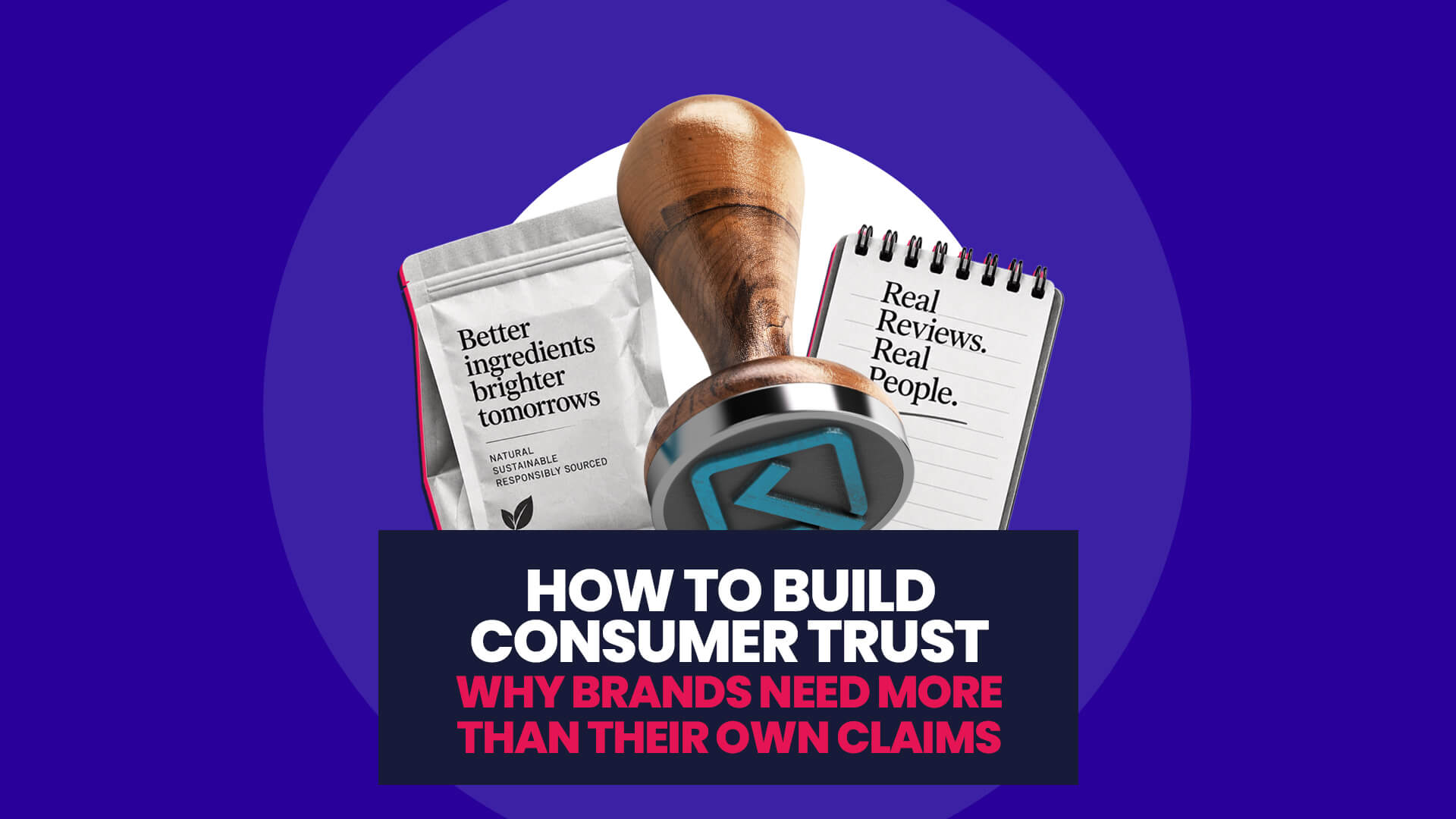
How to build consumer trust has become one of the biggest questions facing marketers. Consumers have access to more information, more brands and more claims than ever before – but that doesn’t necessarily mean they believe what they’re being told.
Whether a brand is talking about its health credentials, sustainability commitments, ingredients, provenance or product performance, saying it is true is rarely enough on its own.
Increasingly, brands need other people to say it too.
How to build consumer trust through independent validation
Independent validation can take many forms: journalist coverage, expert endorsement, third-party certification, reviews, awards, credible creators or recommendations from people consumers already trust.
What matters is that the proof exists outside the brand’s own marketing ecosystem.
This is an important distinction. A brand telling consumers that its product is brilliant is advertising. A journalist independently recommending it, an expert supporting its credentials or a respected third party validating a claim gives that message another layer of credibility.
For marketers focused on building brand trust, the question therefore shouldn’t just be what do we want to tell people? It should also be what would make people believe us?
Credibility looks different across food, drink and wellness
There is no universal trust signal.
For food brands, consumers might look for reassurance around provenance, ingredients, nutrition or animal welfare. In drinks, sourcing, production methods and authenticity can be powerful markers of credibility. For wellness brands, efficacy, safety and expert endorsement can carry particular weight.
Understanding the proof that matters to your audience should therefore be built into communications strategy from the beginning – rather than validation being something added once a campaign has already been developed.
PR’s role in building brand trust
This is where PR can deliver far beyond awareness.
Earned media gives brands access to trusted third-party voices. Research can provide evidence rather than assertion. Experts can substantiate claims. Partnerships and certifications can demonstrate credibility. Creators can provide authentic advocacy when there is a genuine fit.
Together, these signals can help close the gap between what a brand says and what consumers actually believe.
And that makes trust a commercial issue, not simply a reputational one.
Because when consumers are choosing between similar products, credibility can help determine which brands make it onto the consideration list, which get tried and which get recommended.
The strongest brands don’t leave that credibility to chance. They deliberately build the proof that supports their marketing.
You can tell people what your brand stands for. But if you want them to believe it, you have to earn it. Get in touch if you want to EARN IT.
« How to build a PR strategy that delivers long-term brand growth