- Design
- PR
‘Little Treat’ Culture: Clever Branding That Works
‘Little Treat’ Culture: Clever Branding That Works
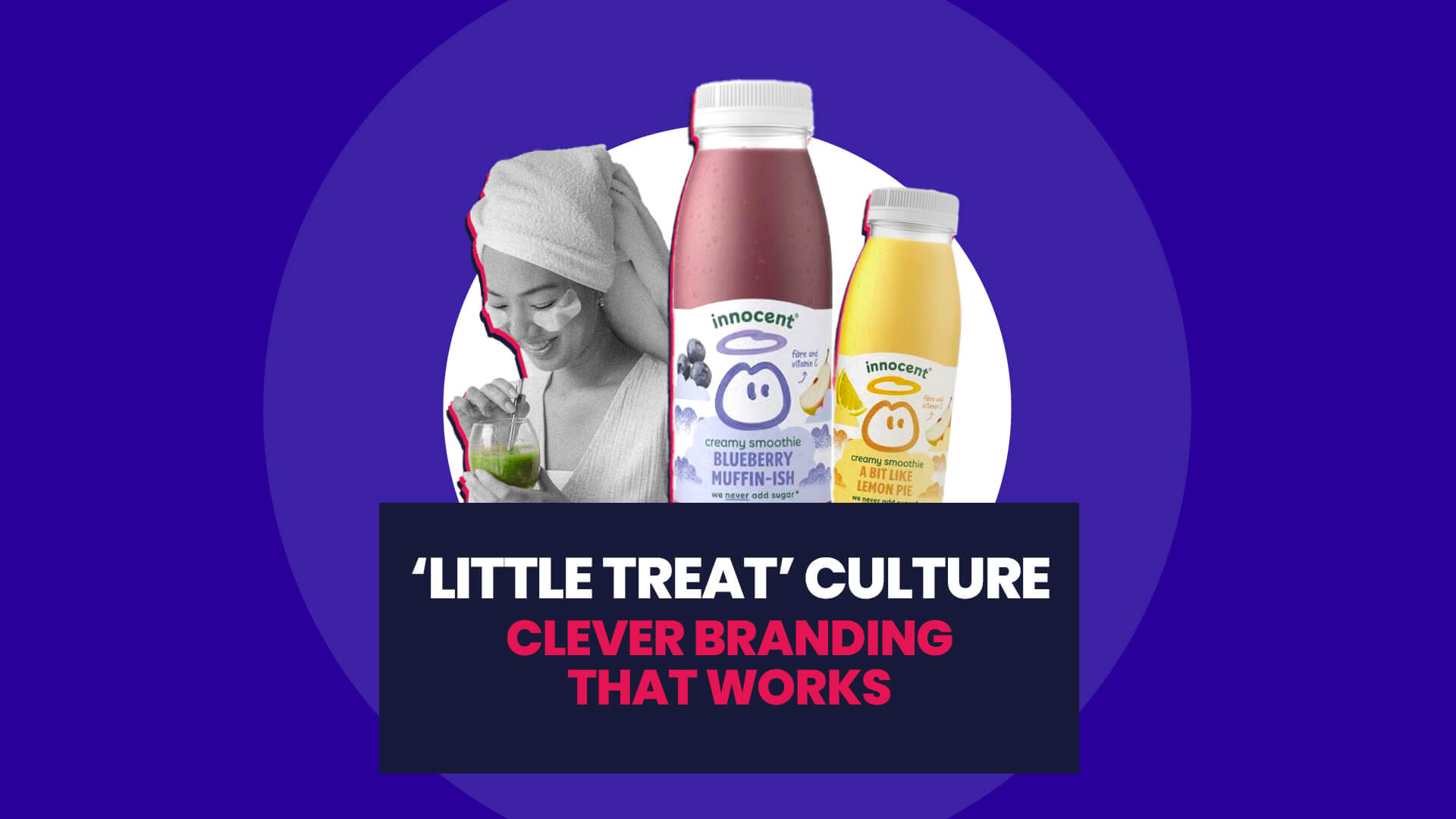
Innocent Drinks’s latest smoothie trio – Strawberry Cupcakes, Blueberry Muffin-ish, and A Bit Like Lemon Pie – offers a strong example of effective brand positioning within today’s competitive FMCG landscape. More importantly, the launch highlights how food and drink marketing is increasingly blending indulgence, wellness, and consumer PR trends to reach broader audiences.
The range has been developed to tap into the growing demand for “scrumptious me-moments and the rise and rise of ‘little treat’ culture”. Innocent describes the smoothies as “a perfect, guilt-free indulgent treat to perk up your afternoon slumps”.
Brand Positioning That Balances Indulgence and Wellness
Crucially, the launch demonstrates how health and wellness branding no longer needs to feel restrictive or overly worthy. The smoothies are made entirely from blended fruits and coconut milk, with no added sugar or artificial flavourings, while containing fewer than 150 calories per 250ml serving.
Although naturally occurring sugars remain a talking point within evolving nutritional guidelines, the products still present a healthier alternative to more traditional afternoon snacks such as chocolate-covered biscuits.
What makes the campaign particularly interesting from a brand communications perspective is Innocent’s decision to lead with taste and emotional appeal rather than nutritional messaging alone.
Consumer PR and the Rise of ‘Little Treat’ Culture
The dessert-inspired flavours introduce an important – and often overlooked – sense of fun into healthier food and drink choices. As public conversations around obesity and ultra-processed foods continue to dominate headlines, brands face increasing pressure to encourage healthier habits without alienating consumers.
The effectiveness of health messaging varies dramatically across demographics. Health-conscious shoppers are naturally drawn towards products marketed around wellness credentials, such as Innocent’s Green Goodness smoothies launched last year.
However, many consumers feel overwhelmed by constant health messaging. That creates an opportunity for consumer PR strategies focused on enjoyment, comfort, and accessible indulgence – exactly where Innocent’s latest range positions itself.
What FMCG Marketing Teams Can Learn From Innocent
The approach could prove especially effective among shoppers attempting to make better choices without sacrificing enjoyment. If introduced into supermarket meal deals, the smoothies could easily become the perceived ‘treat’ option, replacing crisps or chocolate bars while still delivering on flavour.
From an FMCG marketing standpoint, the strategy demonstrates how brands can encourage behavioural change subtly, without relying on heavy-handed wellness messaging.
Innocent’s communication strikes an effective balance. The brand avoids placing excessive emphasis on health claims and instead prioritises taste, personality, and emotional connection. Nutritional benefits remain present, but as supporting proof points rather than the lead story.
By positioning the smoothies as both indulgent and healthier, Innocent successfully broadens its consumer appeal and strengthens its relevance within evolving food and drink marketing trends.
At Nexus, we help brands turn consumer insight into compelling campaigns that cut through crowded markets. From consumer PR and brand communications to strategic content and FMCG marketing, we create work that connects with audiences and drives results. Get in touch to learn more.
« Nutrition Communications: The Power of Simplicity in a Complex Health Market Own Label Rising: What Brands Need to Know »