- PR
The Creatine Boom: Why Communications Will Be Key
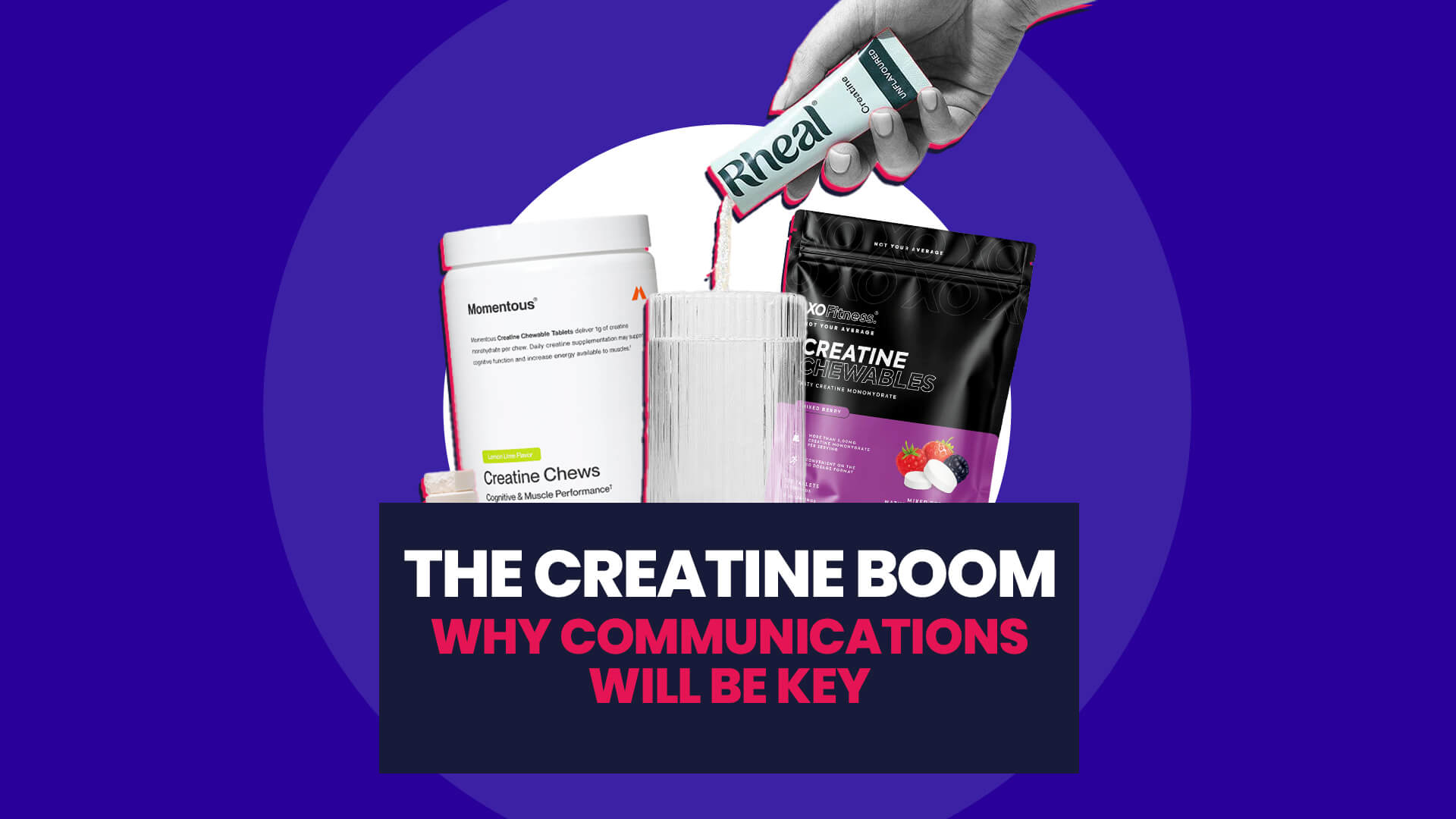
Creatine supplements were impossible to ignore at Expo West this year. The creatine trend was out in force at the Anaheim Convention Center in California – long a launchpad for emerging health and wellness movements.
Whether in gummies, drinks or sachets, creatine products were ubiquitous enough to draw comparisons with protein.
The creatine trend following protein’s path
The parallels are valid. Like protein, creatine supplements have a growing list of recognised health benefits. Research has linked creatine to increased muscle mass, greater strength, reduced fatigue, faster recovery after exercise and even potential cognitive improvements.
And similarly to protein, this is a trend that could have mainstream potential beyond US gym culture.
Some of the biggest launches – such as Momentous Chewable Creatine, billed as “the first chewable” form of the ingredient – have been Stateside. But UK brands are also tapping into the creatine trend, with launches including XO Fitness Creatine Gummies and Rheal Superfoods’ Hydration x Creatine sachets.
Creatine gummies and wellness positioning
The Rheal launch demonstrates just how broad the appeal of creatine supplements could become.
While the product supports performance, strength and recovery, the positioning moves beyond hardcore fitness. Rheal’s campaign for its hydration sachets targets “real women who do it all – and deserve to refill their cup”.
In an increasingly fast-paced world, that idea of support through the daily grind will resonate with many consumers.
The potential market size reflects that opportunity. Grand View Research estimates the global creatine supplements market will grow from $1.37 billion in 2025 to $8.68 billion by 2033.
The communications challenge behind the creatine boom
But whether the creatine trend reaches that scale will depend not only on product innovation – but on communication.
Consumers are already well versed in the benefits of protein. The same cannot yet be said for creatine.
For brands, that means a clear communications challenge: educating consumers about creatine benefits, how the ingredient works, and why it belongs in their daily routine.
For communicators, this type of education challenge is nothing new. Take our work with British Lion Eggs, where a key objective is translating strong nutritional credentials into messaging that is both credible and accessible. Carefully chosen collaborations and a clear media strategy enables us to make complex nutritional science relatable – exactly the kind of approach emerging ingredients like creatine will require if they are to move beyond niche fitness circles and into the mainstream.
Evidence-based messaging will be essential. So will clarity. In a crowded supplements market, brands must communicate tangible benefits simply and credibly.
If consumers cannot quickly understand the value – or if creatine is dismissed as just another wellness fad – those $8.68 billion projections may prove optimistic.
For PR and communications teams, the opportunity is clear: translate complex science into clear, credible stories that resonate with everyday lifestyles.
Because in the race to define the next supplement boom, the brands that communicate best may ultimately win.
If you’d like to discuss how strategic communications can help bring your brand’s health and nutrition story to life, get in touch with our team.
« Wellness storytelling: Consistency that connects Nutrition Communications: The Power of Simplicity in a Complex Health Market »