- PR
The Beautrition Trend: What this means for brands
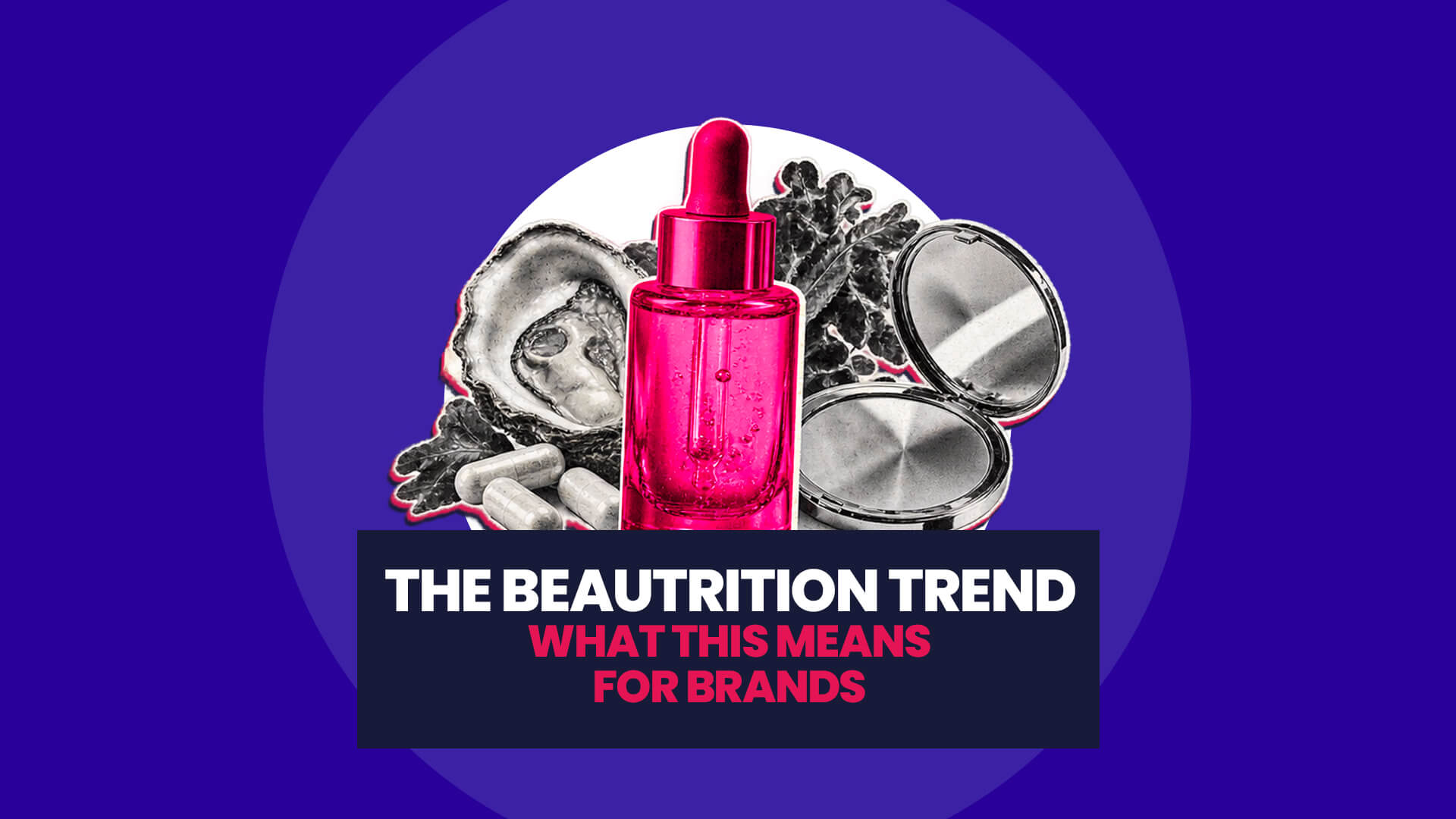
Fancy a shot of olive oil? How about a side of sea moss? If not, there’s a collagen jelly stick with your name on it.
That’s if you believe predictions from buyers and culinary experts at Whole Foods Market. Its latest trends report cited the rise of all three as evidence of the growing ‘beautrition’ trend: a convergence of the beauty and nutrition industries.
In some ways, it’s nothing new. We’ve long been told that we are what we eat. Or that beauty comes from within.
And it doesn’t need to involve eyebrow-raising habits such as downing a shot of olive oil every morning. The trend also encompasses growing interest in whole foods associated with beauty and wellbeing, from sardines and oysters to carrots, cucumber and cabbage.
But for food and drink brands, the growing crossover between beauty and nutrition presents an interesting opportunity – provided they can navigate it credibly.
Why the beautrition trend matters for food and drink brands
Beauty is big business.
In the age of social media and selfies, consumers are willing to invest in products that make them feel good about how they look – even when times are tight. Mintel’s latest report on beauty and grooming valued the UK market at an estimated £10bn, buoyed by “consumer willingness to prioritise products that deliver emotional value, confidence and wellbeing benefits”.
For food and drink brands, that opens up interesting territory.
Products containing ingredients already associated with beauty and wellbeing can potentially reach beyond traditional food audiences and tap into consumers who are thinking more holistically about their routines.
It also creates opportunities for brands to rethink everything from product positioning and partnerships to packaging, influencers and earned media.
But there’s a note of caution.
Trust will be crucial to the beautrition trend
The beauty industry has long faced criticism around pseudoscience and overblown claims – and consumers are increasingly sceptical.
Food and drink brands can’t afford to fall into the same trap.
Start overtly promising that a product will transform someone’s appearance without the evidence to substantiate it, and brands risk undermining the very thing they need to succeed in this space: trust.
Instead, brands need to understand the difference between tapping into a cultural trend and making a specific health claim.
For ingredients where the evidence is less clear-cut, the most credible strategy may be to focus on the ingredient, experience and wider lifestyle positioning rather than promising a particular outcome.
Other ingredients, such as vitamins and minerals with authorised health claims, may give brands greater scope – but communications still need to remain within the claims permitted on the NHC register.
Sell the aspiration without overpromising
The opportunity around beauty and nutrition goes far beyond putting a health claim on the front of a pack.
Sometimes the more interesting opportunity lies in how the product shows up.
Could packaging borrow from the visual language of beauty and wellness? Could a food or drink product become part of someone’s wider morning or evening routine? Could a partnership with a credible beauty, wellness or lifestyle voice introduce it to a different audience? Could PR tap into the conversation around what consumers increasingly expect from the products they eat and drink?
This allows brands to participate in the beautrition trend without making promises they can’t substantiate.
And, importantly, it can create a more interesting story for media and consumers than simply jumping on the latest functional ingredient.
Credibility will separate the trend-setters from the trend-chasers
As beauty, wellness and nutrition continue to converge, there will inevitably be brands looking for a quick way into the conversation.
But those most likely to benefit long term will be the ones with a credible reason to be there.
That means being transparent about what products contain, responsible about the claims being made and creative about how the proposition is communicated.
Because the opportunity isn’t to convince consumers that one food or drink will transform the way they look. It’s to understand how changing attitudes to beauty and wellbeing are influencing what people want from the products they buy – and find an authentic role for your brand within that.
Handled responsibly, beautrition could give food and drink brands an opportunity to reach new audiences, create new occasions and build relevance beyond the supermarket shelf.
Want to understand how your food or drink brand can credibly tap into emerging consumer trends? Get in touch with our team.
« Share of Voice: Why It Matters and How Brands Can Grow It