- PR
Long life PR: The power of food PR
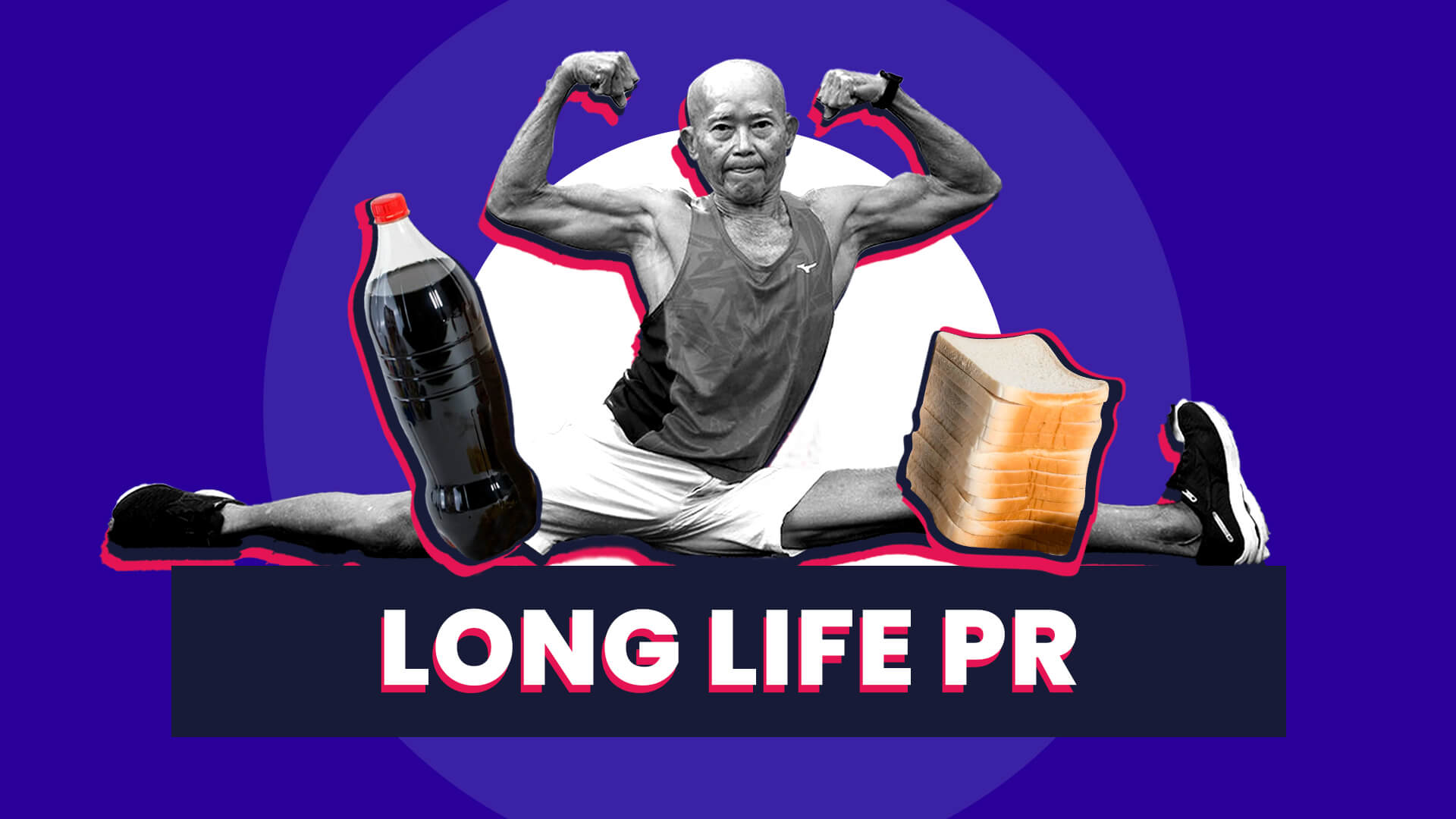
Images courtesy of Netflix
Why food PR is the most powerful way that food brands can engage consumers fascinated with living forever.
The health and wellness industry is big business and it’s showing no signs of slowing down. Supercharged by the pandemic and driven by a desire for connected and customisable experiences the booming industry is now worth $5.3 trillion worldwide1with an annual growth rate of 7%2.
The new Netflix documentary Live to 100: Secrets of the Blue Zones has been making headlines, with people questioning, can changing the way we live extend our life expectancy? A question the health and wellness industry has been concerned with for decades.
The show followed explorer and documentary filmmaker, Dan Buettner, who identified five ‘blue zones’, with the healthiest, longest living populations. Unsurprisingly, diet continued to crop up as an important factor in the race to become a Centenarian.
In the wake of this shift to a more health-conscious society, how can food and drink brands maximise the booming market? We’ve identified three trends for brands to consider as part of their brand and marketing strategies into 2024.
UPF’s under the spotlight
People are reading more labels, and we expect that to continue. Since the introduction of the sugar tax in 2018, followed by HFSS in 2021, now the spotlight is on ultra-processed food (UPF). Concerns about the health impacts of eating too much ultra-processed food are dominating headlines as Chris van Tulleken examines how our modern-day food system is harmful to our health, our weight and the planet in his book Ultra-Processed People.
Brands that fall into this category need to sure up their reactive PR and positioning as consumers and media will start interrogating products and ingredients, specifically brands that market themselves as healthy alternatives.
Health tech revolution
There has been a real increase in tech investment in the wellness space, aiming to equip consumers with the tools to better themselves without relying on a trainer or nutritionist. From wearable tech like Whoop which can accurately monitor your sleep to Zoe, the personalised nutrition programme, to tell you what foods are best for your body.
We expect the wellness space to continue to become more tech heavy and interconnected. For brands looking to operate in the health and wellness market it’s imperative that you supercharge your digital strategy and leverage the power of social and influencers.
Generation active
Younger generations are expecting brands to facilitate health and fitness opportunities. Once fitness used to be purely physical but now the lines have blurred, and it now feeds into mindfulness and nutrition and overarching holistic health. Expect to see the merging of different worlds as brands combine events from running music festivals to fitness fashion week. This presents a great opportunity for a host of interesting brand partnerships and experiences, as health and fitness becomes part of everyday life rather than its own subsection.
While Blue Zones put the spotlight on a simpler way of living, the growing and inextricable link between health, wellness and technology means that brands that want to operate in this space have to be tech-savvy and digital first.
1 Health And Wellness Global Market Report 2023
2 Health & Fitness – United Kingdom, Statistica (CAGR 2022-2027)
« Influencer Marketing: Influencers on demand Food PR Credibility: Getting research right. »