- PR
Banning junk food ads: Does it make a difference?
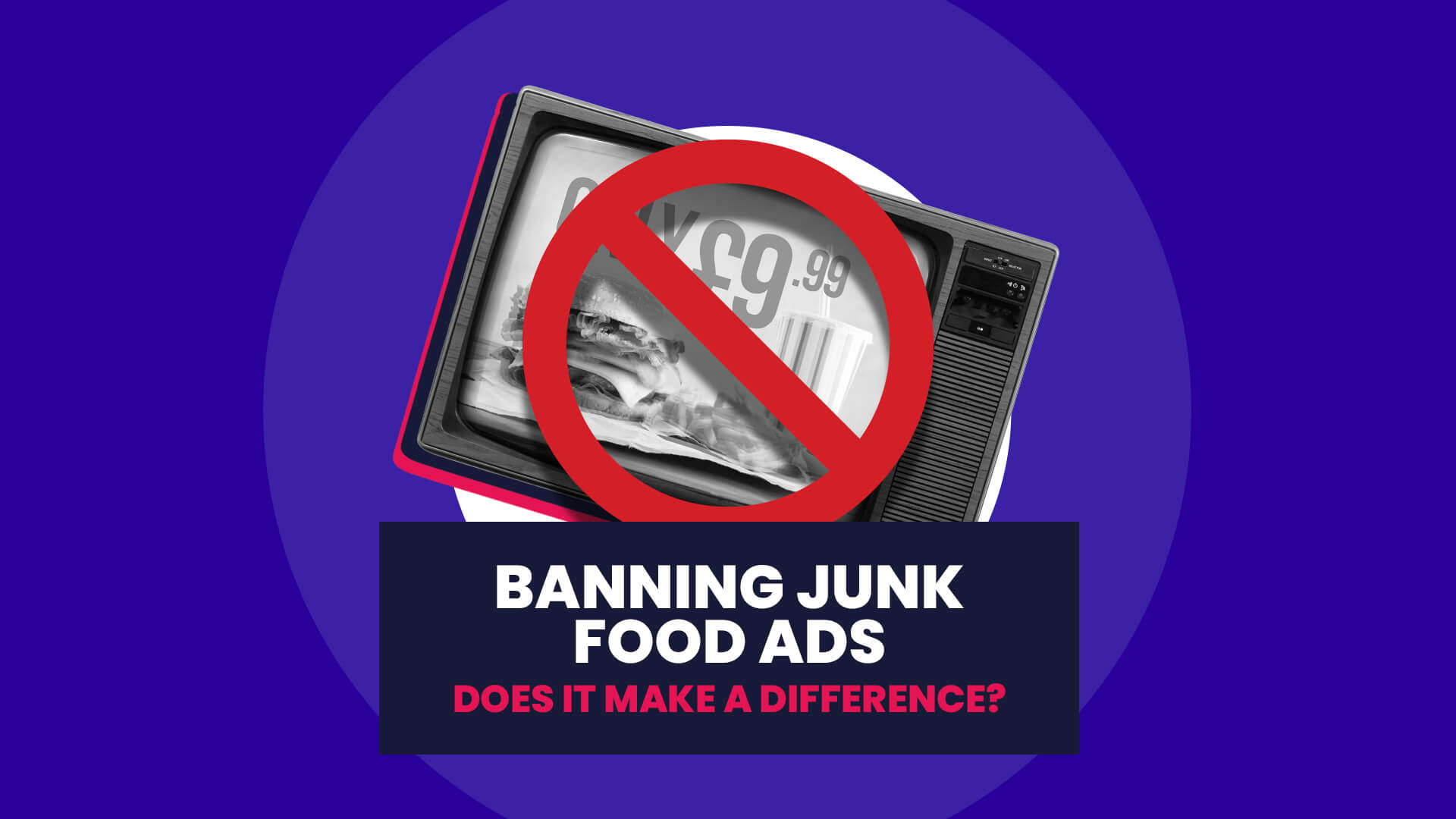
When the government first announced its plan to ban junk food ads on TV before 9pm and online at all times from October 2025 – with the aim to tackle childhood obesity – looming questions prevailed. “What does this mean for food brands”? “What food is considered “unhealthy”? “How effective will it actually be?”
Health campaigners described the initial laws as having “loopholes big enough to drive a Coca-Cola truck through. Just this month, advertising watchdogs revealed that the ban will be extended even further, with tougher restrictions.
The policy aims to reduce children’s exposure to foods high in fat, sugar or salt like cakes, biscuits, ready meals and crisps. But it will only cut two calories a day from children’s diets, which is one tenth of a jelly baby!
So, do ad bans really make a difference?
Banning junk food ads on TV and putting a total ban on paid-for online advertising is a tiny step to prevention. It won’t impact the next generation or the woeful food culture in the U.K. Most children are watching YouTube influencers and seeing outdoor media, not watching TV during the day.
People deserve a treat; the issue is that it’s become the dominant force in British food culture. The solution isn’t an ad ban, it’s a PR drive for the good life.
There’s a lack of creativity in food and health policy and communication. Whole natural food campaigns, retailer rethinking and allowing brands to contribute to food education will far outweigh any advertising ban. Most of this is simply left to struggling growers and producers to invest in.
Long-term, creative PR, PoS and reputational strategies are needed along with government funding to drive generational behaviour and attitude change.
« Mood food: The 2025 mega trend Podcast power: 5 podcasts to keep your PR skills sharp »