- PR
Nostalgia Marketing: How Brands Make Memories Matter
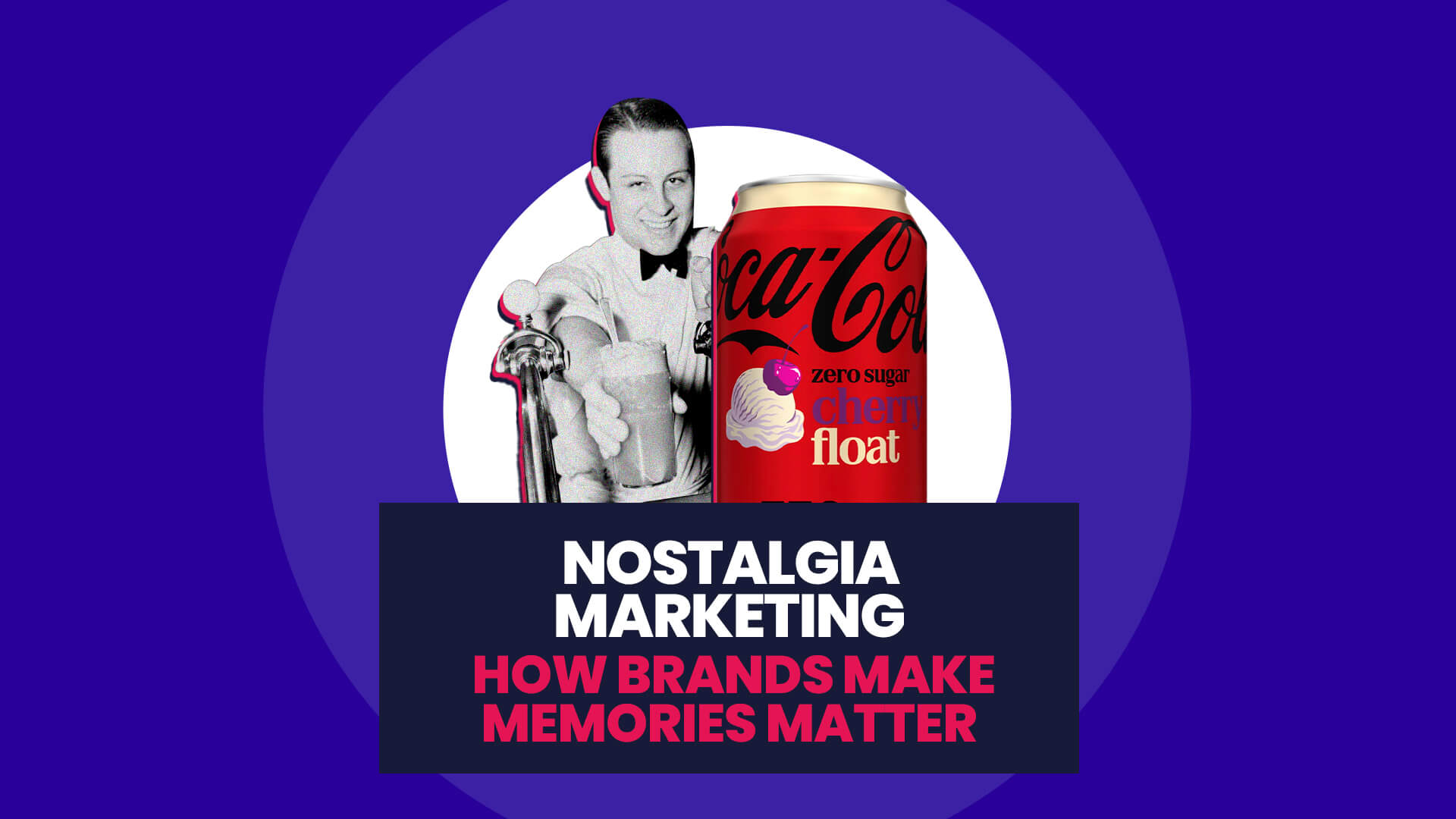
The insight behind nostalgia marketing is clear: it taps into fond memories to create an emotional connection with consumers. The Coke float was a sign of the times. Back in the nineties, the iconic drink – a glass of full-sugar Coca-Cola, topped with a scoop of vanilla ice cream – was the ultimate treat at a children’s birthday party. Today, it would be unlikely to get past health-conscious parents.
Still, the recipe holds resonance for a generation that fondly remembers a time when Pop Tarts were an acceptable breakfast choice. To tap that nostalgic moment, Coca-Cola launched a Cherry Coke Float in February. Except this time around, there is a Zero sugar variant for those who want to avoid the sugar hit.
The communications strategy behind the launch drew praise from analysts. “Nostalgia marketing is important in 2026 because it offers comfort and familiarity during times of uncertainty and rapid change,” Ramsey Baghdadi, consumer analyst at market research company GlobalData, told FoodNavigator that month.
Tapping into nostalgia and iconic favourites doesn’t stop at drinks. Ever wondered what Terry’s Chocolate Orange would taste like, without the orange? Our media strategy got journalists thinking about exactly this to announce the launch of Terry’s new Chocolate Milk Ball. Sparking a nation-wide ‘norange’ debate across nationals, consumer, regional, broadcast, and trade, we drove the brand’s ‘beyond orange’ strategy, delivering key messaging and blanket coverage. This perfectly illustrates how brands can leverage nostalgia-driven comms to engage audiences and create buzz around innovation.
It certainly seems to be a trend worth pursuing, if rival soft giants are anything to go by. Pepsi added limited-edition zero-sugar colas in Strawberries ‘N’ Cream and Cream Soda shortly afterwards. Now Irn-Bru is getting in on the action. This month, it has debuted an Ice Cream flavour “inspired by the classic ice cream float”.
As Baghdadi highlighted, nostalgia driven comms is a key sell here. The geopolitical landscape is ever more uncertain, and the war in Iran has only added to growing fears of global instability. It’s little wonder consumers are hankering for a simpler time. These drinks can offer a brief taste of that bygone era and childhood innocence.
But there’s another factor at play here, too. Functional soft drinks are booming. Brands like Trip grew their sales at a faster rate than low & no alcohol lines during Dry January, found NIQ data reported by The Grocer this month.
That’s concerning for mainstream soft drink brands like Coca-Cola, Pepsi and Irn Bru. Although they are far bigger, they don’t lend themselves easily to the hottest growth area in soft drinks. Realistically, their manufacturers can only capitalise on functional growth through other brands in their portfolio, or by making acquisitions such as PepsiCo’s deal for Poppi.
So instead, these brands need to play to what they do best: their founding values of pure, simple enjoyment. If Coca-Cola, Pepsi and Irn Bru can successfully communicate their role in creating joyful moments in a tough environment, they’re onto a winner. Combine that with savvy innovation, and they can stay relevant even to the health-conscious crowd as a ‘guilty pleasure’. And arguably, nothing sums up that sentiment better than a Coke float.
Curious to know more? Contact us today and see how we can help.
« Food Brand PR: How to Stay Relevant Long After Launch Wellness storytelling: Consistency that connects »