- PR
Messaging matters: How brands can keep low & no alcohol buzzing
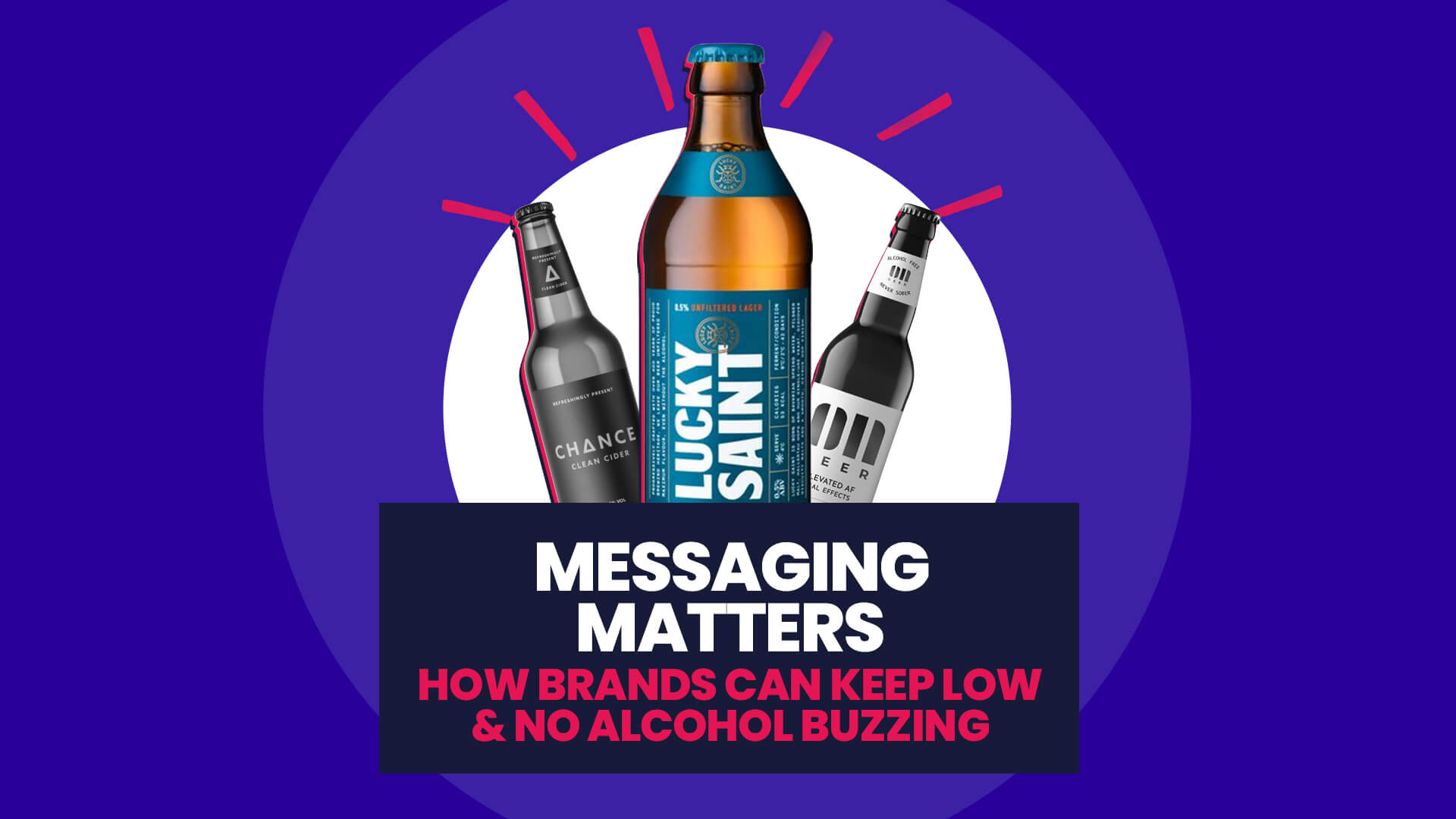
Low & no alcohol is facing a slowdown. So suggest figures for Dry January, which show sales of low & no-alcohol beers climbed just 2.8% year-on-year at the start of 2026 [NIQ, 4 w/e to 24 January 2026]. At Nexus, we see this as a moment where smart communications can make all the difference, helping brands engage audiences and keep the category’s momentum going.
As reported by The Grocer, that comes in stark contrast to the standout growth seen during previous Dry January campaigns. So are Brits are once again hitting the bottle?
It would be easy to assume so. As world events continue to make for depressing headlines, you could hardly blame the nation for going back on the hard stuff. Plus, it’s hard to persevere through a Dry January when meteorologically, we’re facing one of the wettest starts to the year on record.
And low & no wouldn’t be the first category to face a comedown after a boom. But a longer-term outlook provides a different perspective. For starters, Dry January was set up to target people who drink during the rest of the year – and may be looking to temper the effects of overindulgence.
As moderation becomes increasingly mainstream, low & no options are instead being consumed all year round. Full-year figures are therefore far more positive: sales of low & no beers have grown 15.4% [NIQ].
That direction of travel is clear to see when looking at the drinking habits of younger audiences. According to 2025 research from Drinkaware, 49% of young adults now consume no & low-alcohol options – nearly double the number in 2018 (28%).
That potential continues to inspire some heavyweight innovation. Lucky Saint’s alcohol-free roster has quadrupled in the past two years. Peroni unveiled a duo of 0.0% fruity beers earlier this month. Specialists like these won’t invest in NPD unless they see an opportunity for a substantial return.
At the same time, we’re seeing challengers look to corner new areas of the market. Chance Clean Cider is going after the burgeoning low & no cider market. Alcohol-free IPA On Beer is using “functional botanicals” to deliver a buzz without the booze.
So yes, as the low & no market matures, it may not post quite the heady growth rates of its early days. But moderation is far more than a fad.
The key to ensuring the market reaches its potential will be messaging – and this is where communications expertise comes in. Crafting campaigns that resonate with younger audiences, using storytelling to position low & no as exciting and adventurous, is critical. Brands that leverage PR, social, and influencer engagement effectively can shift perception from ‘alternative’ to ‘must-try’, ensuring continued growth.
The likes of Lucky Saint, Chance, and On Beer are positioning low & no as an exciting choice, rather than a boring alternative to alcohol. These are drinks designed for young audiences who want adventure and flavour, but don’t see booze as the only way to achieve that aim.
If low & no can capture their attention, the market stands to enjoy plenty more growth ahead.
« Crisis communications: The critical importance of visible action Drinks PR: The Spring Checklist for Winning Summer Media »