- PR
When headlines hit: The rising risk of food and drink crises
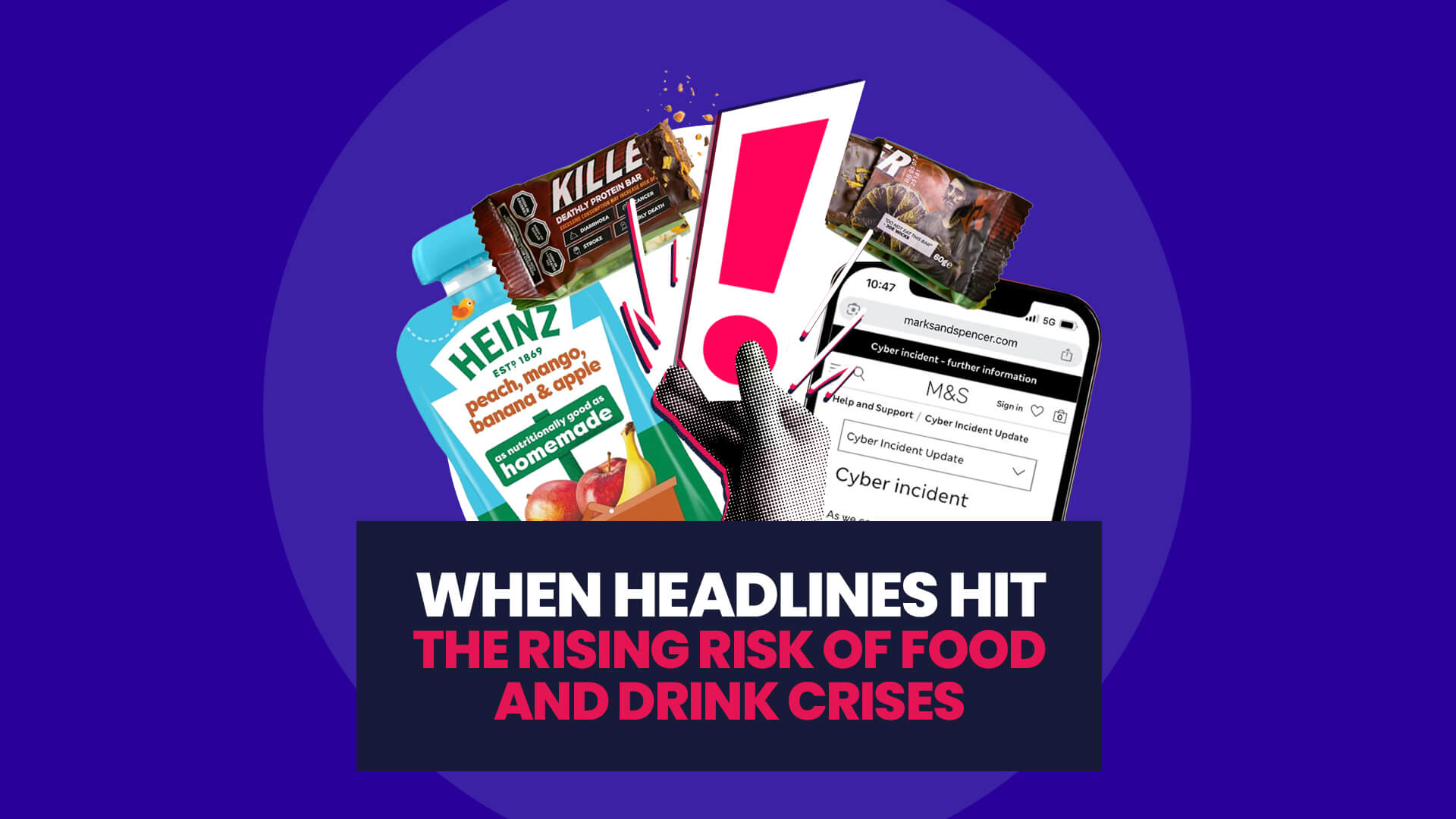
Last year, M&S was hit by a major cyber-attack. Protein bars found themselves under fire from the nation’s sweetheart, Joe Wicks. Baby food brands were publicly criticised for failing to live up to their nutritional claims.
Food and drink crises like these don’t just dominate headlines, they can wipe millions off brand value, erode consumer trust, and damage demand both immediately and in the long term. In some cases, the fallout spreads far beyond a single brand, impacting entire categories.
In food and drink, trust is everything. People don’t just buy products, they consume them, feed them to their families, and build habits and rituals around them. When something goes wrong, the consequences are uniquely high. A delayed response, the wrong tone, or silence at a critical moment can quickly escalate a manageable issue into a full-blown reputational crisis.
A risk landscape That’s evolving fast
2026 is set to be a year of radical change for food and drink communications. The introduction of the HFSS advertising ban, growing awareness of ultra-processed foods, the rise of AI-generated content, and the increasing threat of cyber-attacks, all dramatically increase the risk of reputational and commercial fallout.
Food and drink brands are now operating under intense scrutiny, from regulators, retailers, the media, and consumers who are more informed, vocal, and values-driven than ever before. Issues around health, safety, ethics, sustainability, data security, and transparency are no longer niche concerns. They’re mainstream expectations.
Silence is rarely neutral
One of the biggest mistakes brands make in a crisis is waiting too long to respond. While it’s understandable to want all the facts before speaking, prolonged silence can look evasive or uncaring.
In food and drink, where safety and wellbeing are front of mind, consumers will fill the gaps themselves, often with speculation or misinformation. Rumour spreads faster than reassurance, and once trust is damaged, it’s difficult and costly to rebuild.
Effective crisis communications balance speed with accuracy: acknowledging the issue early, setting out what’s known, and clearly explaining what actions are being taken.
Getting the tone right matters as much as the facts
In a crisis, what you say – and how you say it – is critical.
Overly legalistic language, defensive statements, or corporate jargon can feel cold and out of touch, particularly when people are worried or angry. Equally, being too casual or reactive can undermine credibility and make matters worse.
The strongest crisis responses in food and drink are human, empathetic, and transparent. They demonstrate understanding, accountability, and a clear prioritisation of consumer safety and public trust.
One crisis, many fronts
Food and drink crises no longer play out via a single press release. They unfold simultaneously across social media, customer service teams, retailer relationships, internal channels, and the news cycle – often within minutes.
Inconsistent messaging or uncoordinated responses can fuel confusion and amplify reputational damage. Clear messaging frameworks, trained spokespeople, and aligned internal teams are non-negotiable. Everyone from social media managers to senior leadership, needs to be working from the same playbook.
Preparation is the difference between control and chaos
Too often, planning only starts after the damage is done when brands are already on the back foot and public scrutiny is at its most intense. In reality, the moments that define a crisis response are decided long before the first headline appears.
Effective crisis preparation isn’t one-size-fits-all. It’s about understanding your specific risks, clarifying who does what under pressure, and having a clear framework for how and when to respond. When done well, it reassures everyone watching, from colleagues and customers to retailers, regulators and the wider public, that your business is credible, honest and in control.
There is a lot at stake. Loss of revenue, erosion of trust and long-term reputational damage are all very real risks – but they can be mitigated with a planned, flexible approach that keeps decision-making sharp when it matters most.
Are you really ready to tackle a food and drink crises?
For CEOs, CMOs, CFOs, and PR, social and marketing leaders, the question is no longer if a media crisis will happen – but when.
The challenge isn’t just responding fast. It’s responding in the right waywith real commercial consequences on the line.
Nexus is one of the UK’s leading food and drink communications agencies, with deep expertise in managing high-stakes crisis communications for brands across the sector. If you’d like to understand how prepared your business really is, contact us here.
« Spring Reset: The PR Audit Every Wellness Brand Needs Active Brand Community: Turning Followers into Loyal Advocates »