- PR
Health Comms: Navigating the UPF Debate
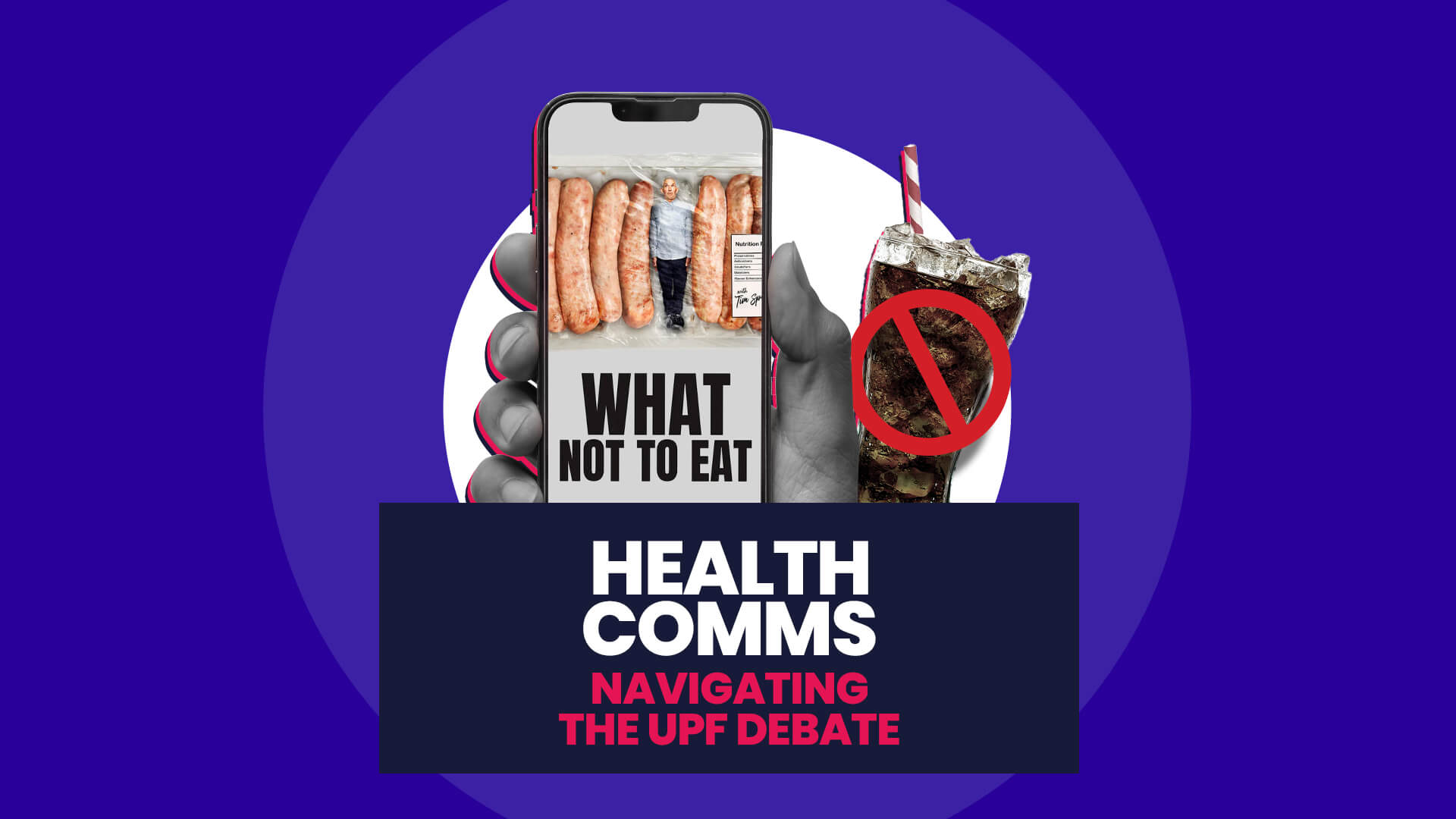
The new year has brought plenty around health comms and another dose of Zoe head honcho Tim Spector to our screens. In the promo for What Not To Eat, which aired on Channel 4 this week, the dietary guru appears squeezed into a pack of sausages packed with preservatives, emulsifiers and stabilisers.
The image sets the scene for a programme that hammers home the dangers of ultra-processed foods (UPFs). Spector is clearly keen to dish out practical dietary advice – which means he isn’t advocating for the total obliteration of UPFs in favour of an entirely whole foods diet. He is, however, clear that highly processed foods and habits such as late-night snacking are ruining the nation’s health. And weight loss jabs won’t prove a silver bullet.
The ongoing high profile of Spector, alongside the likes of Chris van Tulleken, shows just how far the UPF narrative has seeped into the public consciousness. Government health advice still revolves around the nutrient profiling model, which determines whether a food is classed as high in fat, salt or sugar (HFSS). Processing isn’t a factor. Yet in terms of what consumers see as healthy, the publicity around UPFs has had a seismic impact.
A look at the launches on offer for Veganuary shows how the narrative is shaping the food landscape. Several meat alternative brands have openly talked about the PR challenges they have faced in the wake of the UPF backlash. So innovation is understandably focusing on whole foods – or at least, options that are made from recognisable ingredients.
That shift isn’t just about reformulation; it’s about reframing. Ingredient choice, naming conventions and on-pack language have become critical comms tools, helping brands “show, not tell” their health credentials in a crowded and increasingly sceptical media environment.
Juicy Marbles, for example, has taken a step away from pure meat mimicry with a new Umami Burger. Made with koji, barley, quinoa, flax, miso, and seitan, the burger is described hitting hit “the sweet spot” between classic veggie burgers and the brand’s trademark hyper-realistic cuts. Allplants, meanwhile, has brought out tofu and tempeh lines combined with ingredients such as pea, lentil and spinach. The brand hailed the launches as part of its “mission to bring real food back into the category”.
It’s a reminder that, in the current climate, brands seen to be listening and responding to public concern are far better placed to reset the narrative than those that attempt to ignore or dilute it.
That strategic direction plays to what is selling. Last year, The Tofoo Co was by far the fastest-growing meat-free brand in grocery, according to The Grocer’s Top Products Survey. It made an extra £3.2m [NIQ, 52 w/e 6 September 2025] by relying on its core ingredient of tofu, which it describes as the “antithesis of an ultra-processed food”.
It highlights an ongoing challenge for the meat-free category, as well as the wider grocery landscape. The government’s HFSS definition determines where products can be displayed and advertised. Yet when it comes to public perceptions of what is healthy, the UPF debate is dominating the conversation. So from a comms perspective, at least, it pays to frame your products in the most natural way possible.
« Heritage Reframed: How Drink Brands Innovate Without Losing Credibility Wellness, Not Weight Loss: M&S’s Smart Shift »