- PR
What can big brands learn from challenger brands?
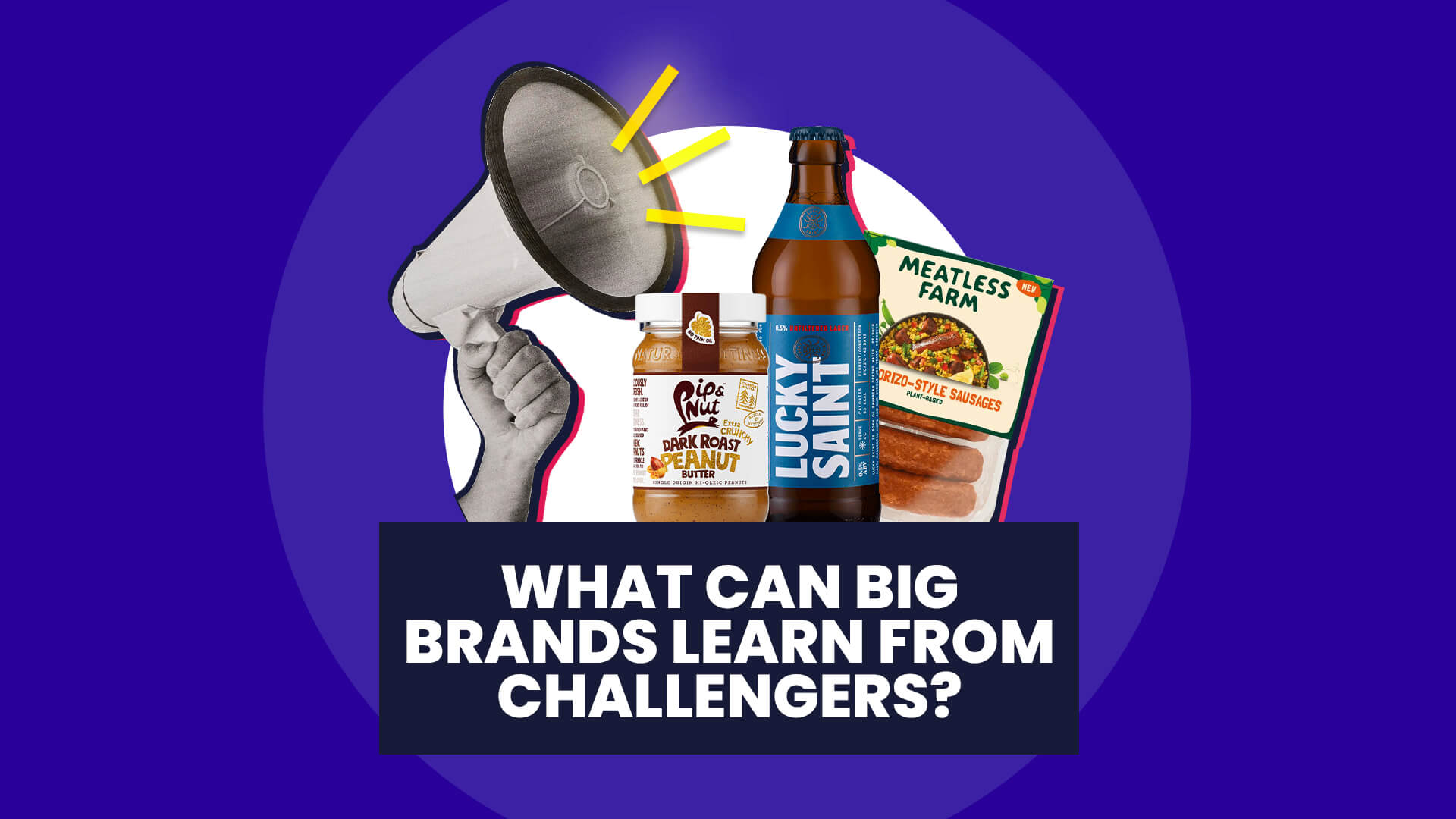
In November 2018, an unknown brand called Meatless Farm briefed Nexus to launch a plant-based mince. What proceeded were three years of fast paced brand building that put the product in most major UK retailers, operators like Pret a Manger and Itsu, and third in the category for awareness. Second only to Quorn and Linda McCartney. And all for under four-hundred thousand pounds. A drop in the ocean versus Diageo’s £2.6bn global marketing spend or Warburton’s £3.3m on advertising. So, what can some of the best challenger brands teach bigger brands?
Over the last decade food and drink has seen a start-up boom. Pip and Nut, Lucky Saint, Au Vodka and Trip have gone from minnows to mainstream. All have used the four P’s (product, place, price and promotion) of marketing to great effect. Emerging growth brands like Surreal, Bold Bean Co and Fishwife in the US are also punching well above their media spend. Admittedly, these brands do not face the same challenges as some bigger brands, but they do share the desire to create brands that people will pay more for.
Breaking media channels down is one of the first knowledge blocks that can help interrogate a challenger’s communication strategy; paid media, TV and outdoor advertising. Owned media, a company’s website, social channel, packaging or shop. Shared media, a sponsorship deal and earned media – PR and news. Using this lens helps understand how challengers operate. In most cases these businesses cannot compete on paid or shared channels, instead having to focus on owned and earned where out creating is essential.
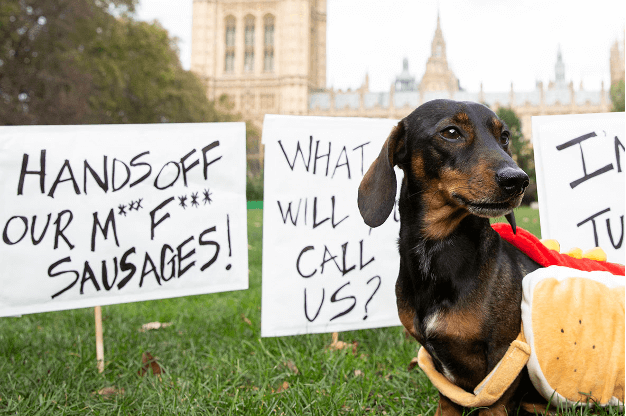
One common strategy is to set a bold vision backed by data. Meatless Farm, for example, worked with Dr Joseph Poore to calculate the impact of people eating one more plant-based meal a week. It equated to saving 8.9% of UK greenhouse gases. This data anchor allowed the brand to focus on creatively activating the message of “swap” on repeat. Saying the same thing over and over in different ways is a sure-fire way to cut through for less. The UK’s first plant-based drive thru was a good example of this.
The real conundrum is deciding on what the message is. More established brands and bigger businesses can easily get caught up with too many messages. Misbalancing the emotional and rational drivers for preference and future demand.
Seeking simplicity is a mindset that truly gives challengers the edge. One that is attainable for any big brand willing to cut to the chase.
People and founders also play a central role in most upstarts, Luke Boase at Lucky Saint, who champions mental health, core to the brands proposition. Or Amelia Christie at Bold Bean Co who is focussed on eating whole foods. Alignment between a broader cause and a voice in the business means challengers feel like real people. The human touch is something bigger brands can capitalise on. Who is the founder, head of innovation or sustainability that can personify everything it stands for. Journalists want qualified experts.
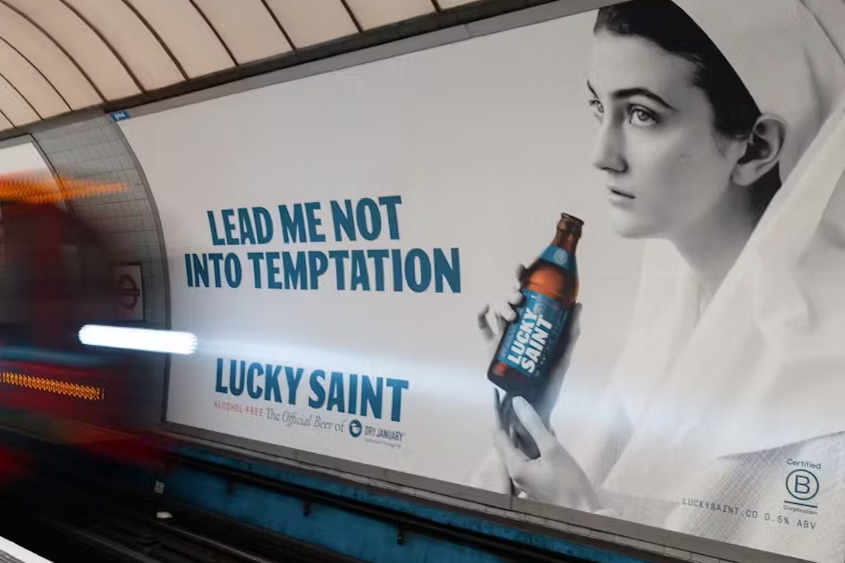
This is particularly important for earned media, PR and news. An authoritative voice with a different opinion can soon become a trusted source for media, podcasts and help build community on LinkedIn. A low-cost way to get in front of buyers. But there are other strategies that fledglings execute to hit the headlines.
Typically, news is driven by three forces – what the business is doing, creating an original campaign and capitalising on cultural or news moment. Hunter and Gather, founded by Amy Moring & Jeff Webster, make everyday products like Mayonnaise without refined sugar or additives. Its recent campaign “The food industry is faked” – gave it a newsworthy play into trade media which has been dominated by UPF conversations. Finding a hook and executing with originality doesn’t need to be expensive – Hunter and Gather’s campaign had a very small media spend and good press to amplify the picture story and founder’s comments. The key with this strategy is to be selective, infrequent and often reactive.
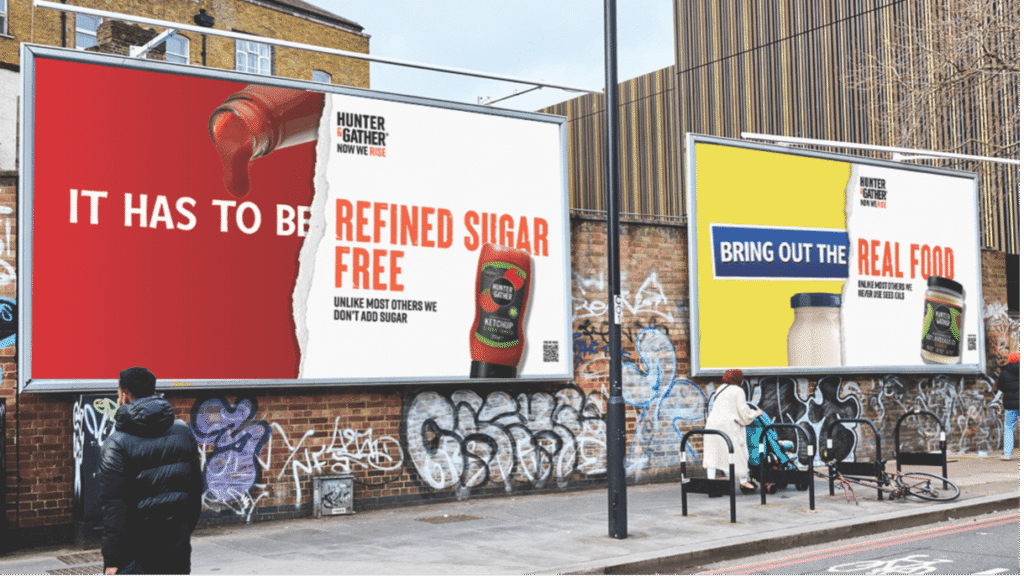
There is no silver bullet for big brands to drive the same velocity and virality as successful challenger brands. However, there is a clear mindset that can drastically increase its chances. A focus on earned and owned media, a clear and meaningful mission backed by data, original creative execution with a message that entertains and takes part in a wider story. But perhaps most important is by increasing its fascination with the potential upside. Could it move the dial and is the downside negligible? If so, then act – if it doesn’t land brands have the advantage that most things will be forgotten quickly if they don’t offend.
« Social AI overkill: Are social AI initiatives destroying brand authenticity? Trump’s tariffs: Turbocharging ‘brand Britfood’ abroad »